Trying to decide between two standout waterfront club communities on Jacksonville’s Intracoastal corridor? You want easy boating, quality amenities, and a home that fits your lifestyle and budget. In this guide, you’ll get a clear, side-by-side look at Queens Harbour and Marsh Landing so you can weigh boating access, club life, governance, and day-to-day convenience. Let’s dive in.
Big-picture differences
Waterfront setup
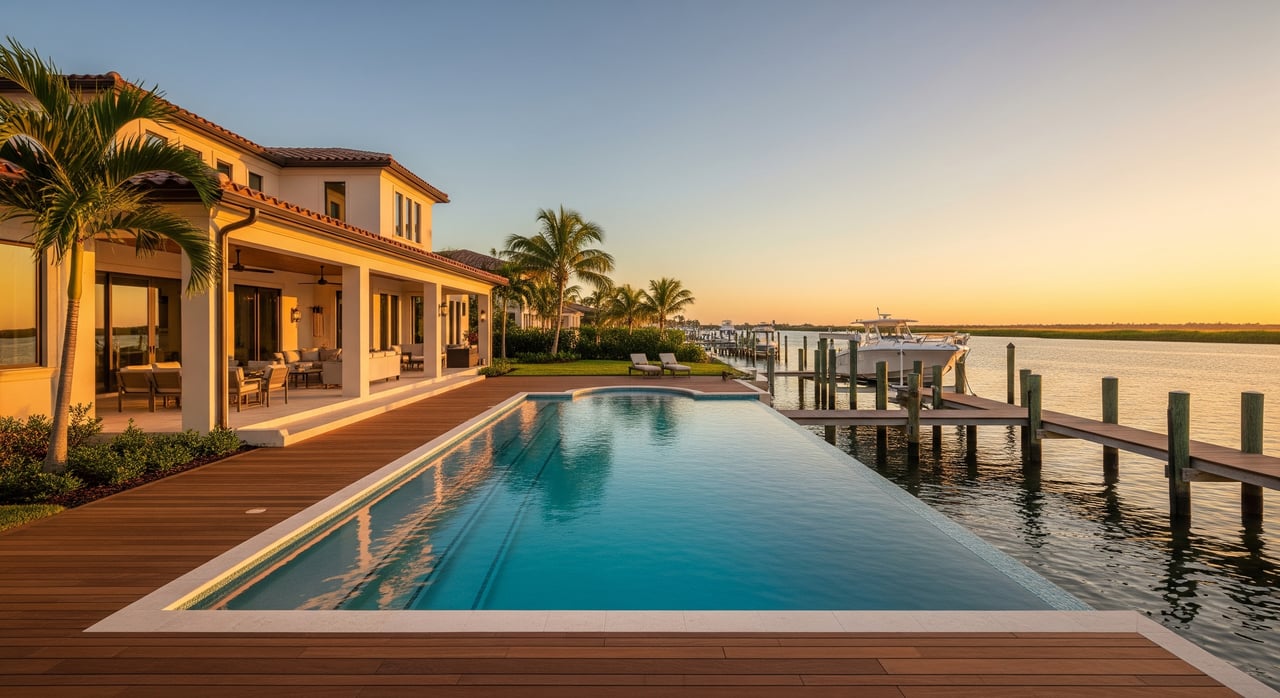
Both communities deliver a premium waterfront lifestyle, but the way you access the water can differ. Some neighborhoods center on a protected harbor or marina, while others offer private docks along canals or marsh-front creeks. Before you fall in love with a view, confirm whether slips are deeded to homes, assigned by a club or marina, or available for lease. This affects daily use, costs, and resale value.
Club culture and access
Each community features a golf and social club with dining, fitness, pool, and racquet options. Policies vary by club on whether memberships are member-owned, private or semi-private, and whether homeowners must join. Ask for current membership categories, initiation fees, monthly dues, and guest policies. If you plan to golf often, check practice facilities, tee-time access, and any seasonal restrictions.
Neighborhood feel and home types
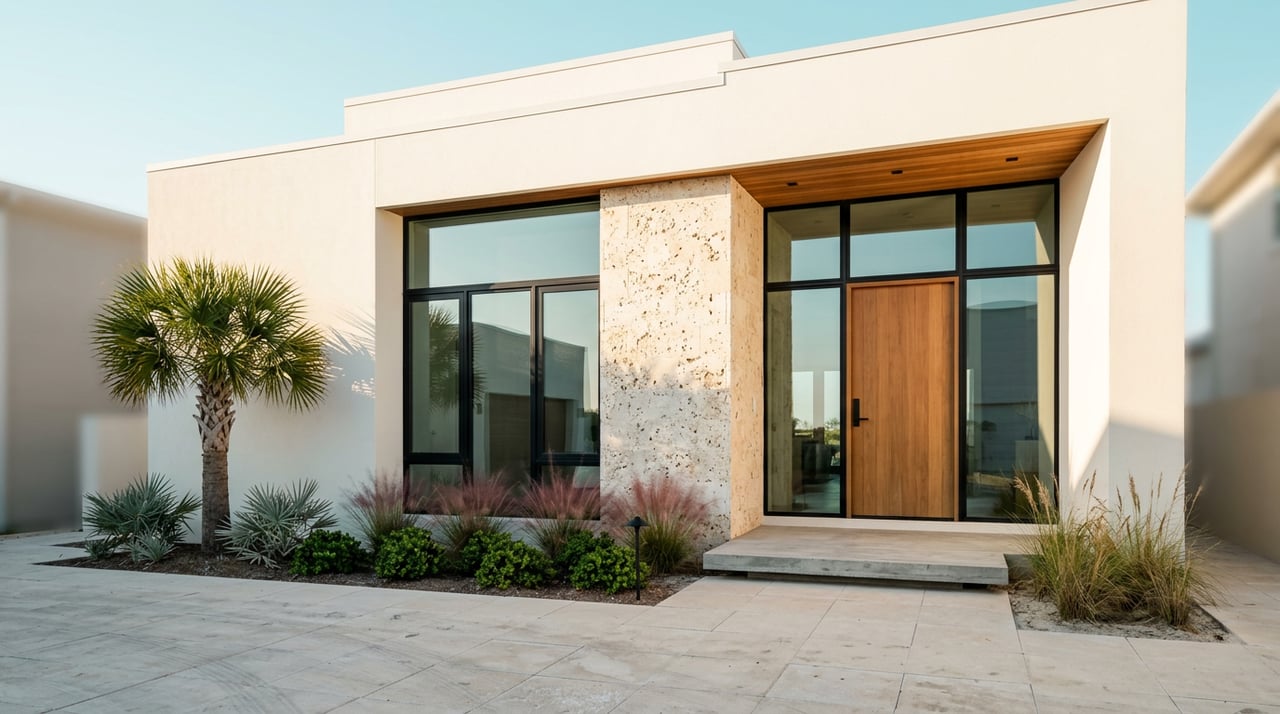
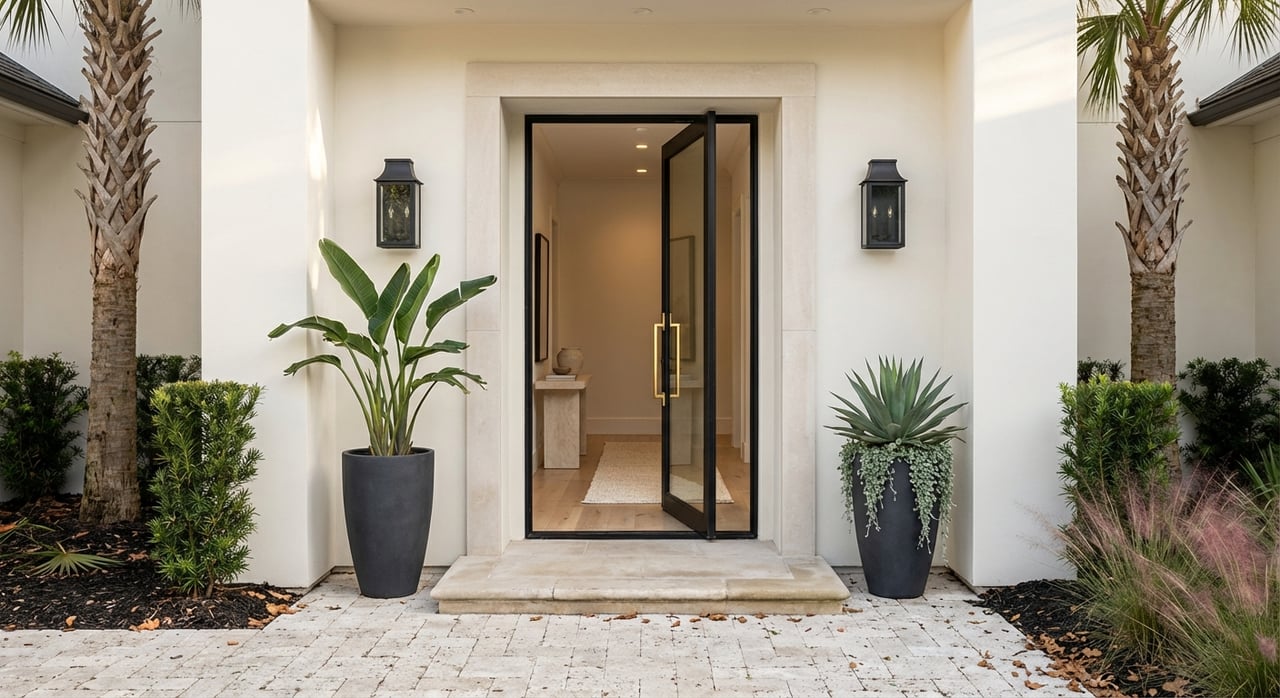
Expect a mix of single-family homes, patio or villa-style options, and estate properties. Architectural styles may include coastal, Mediterranean, and traditional designs. Lots and views range from golf course and preserve to canal and harbor front. If low-maintenance living is a priority, look for sub-associations that include exterior maintenance. If privacy and space matter most, focus on larger estate lots within the master plan.
Boating and marina access
What boaters should verify
If boating is your top priority, start with the water. Small differences in route and depth can change your ownership experience.
- How slips are secured: deeded, assigned, or rented from a marina.
- Maximum slip length, beam, and allowable draft for your boat.
- Route to the Intracoastal Waterway and ocean: confirm if any locks or fixed bridges are involved, and the clearances.
- Channel marking and dredging: who maintains it and how often.
- On-site services: fuel, pump-out, electric amp service, fresh water, and guest or transient policies.
- Hurricane plan: storm procedures, haul-out options, and relocation requirements.
Day-to-day convenience on the water
Protected harbor settings typically offer calmer dockage and easier boarding in windy conditions. Canal-front homes often deliver the convenience of stepping onto your own boat at your backyard dock. If you plan frequent ocean runs, ask about typical travel times to major waterways and inlets, plus any tide or current considerations on your route.
Golf, fitness, and social life
Golf and practice facilities
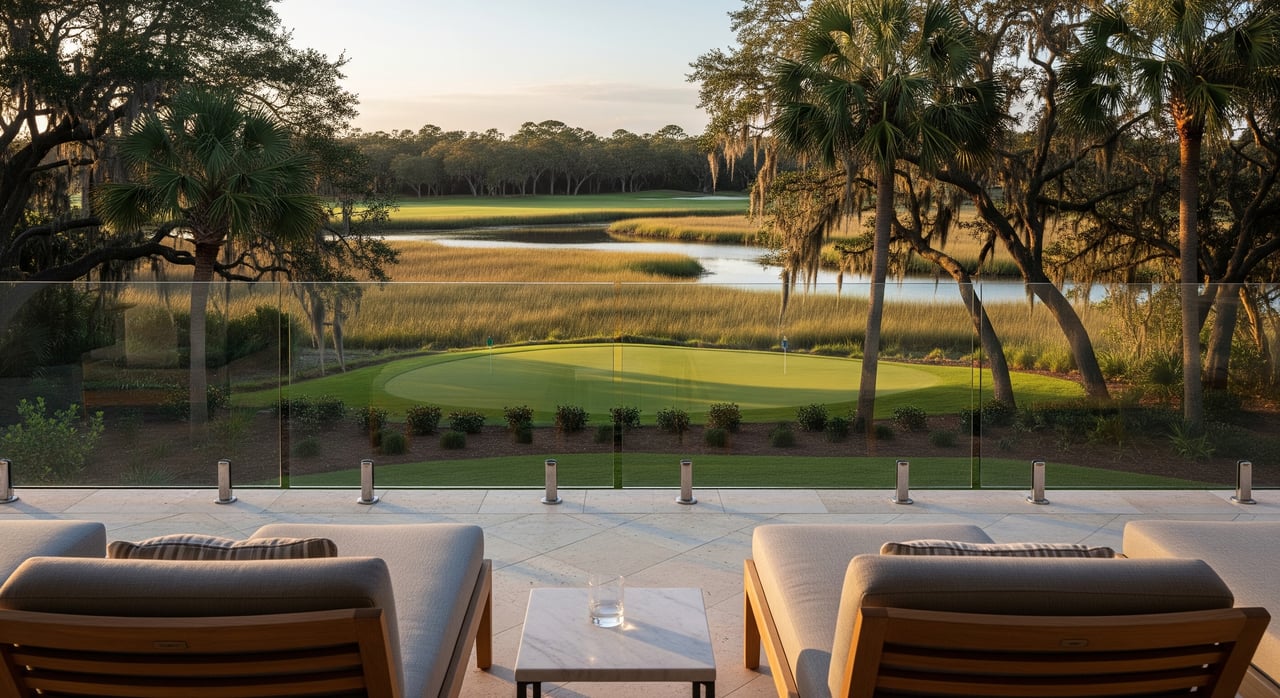
Course pedigree, conditioning, and practice amenities matter if golf is central to your routine. Compare course length and layout, practice ranges and short-game areas, and lesson availability. Ask whether the course is fully private or allows limited outside play, and how that affects tee-time access during peak season.
Dining, pool, and racquet programs
Look at the full lifestyle picture. Review restaurant options, fitness centers, pools, and racquet facilities such as tennis and pickleball. Families and active households may value youth programming, camps, and swim or junior golf teams. If you like to host, ask about event spaces and member guest policies.
Membership model and costs
Membership structures vary. Some communities offer social memberships without golf privileges. Others require initiation plus monthly dues for full club access. Request a written breakdown of categories, wait lists, capital contribution policies, and any scheduled assessments so you can budget accurately.
Homes, costs, and governance
Housing stock and design
You’ll find a range of homes, from lock-and-leave villas to custom estates. Many properties emphasize outdoor living with covered lanais, pools, and water views. If you plan to renovate or build, review architectural guidelines, exterior material standards, and approval timelines.
HOA structure and rules
Most master-planned communities here use a master HOA plus neighborhood sub-associations. Clarify current dues, reserve funding, recent assessments, rental policies, and any restrictions that affect short-term rentals. If you are buying a waterfront home, confirm how dock rights convey in the deed language.
Taxes, insurance, and flood considerations
Waterfront homes often sit in flood-influenced zones. Ask for the FEMA flood zone for the parcel, any elevation certificate on file, and estimated flood insurance premiums. Insurance requirements and costs can vary by elevation and construction details. For a complete picture of ownership costs, combine taxes, HOA dues, insurance, and club fees.
Location and daily convenience
Beaches and recreation access
From 32225, you’re positioned near Jacksonville’s Beaches area and a short drive to public beach access points. If beach days are part of your routine, check peak-season traffic patterns and parking at your preferred access points.
Shopping, medical, and commute
Both communities offer proximity to grocery stores, dining, and services across the Intracoastal corridor. For commuting, evaluate access to major routes like the I-295 beltway and A1A. Confirm drive times to downtown Jacksonville and Jacksonville International Airport at the hours you travel most.
Storm planning and services
Ask about community stormwater systems, typical response protocols, and local emergency resources. If you own a boat, confirm hurricane procedures with the marina or HOA, including relocation timelines and requirements.
Side-by-side buyer checklist
Use this list during showings and before you make an offer.
Marina and boating
- Slip type and transfer rules with the home
- Slip dimensions, draft, and power/water service
- Route to ICW and ocean - any locks or fixed bridges
- Fuel, pump-out, maintenance, and guest policies
- Dredging responsibility and hurricane plan
Club and membership
- Mandatory vs. optional membership for homeowners
- Initiation fee, dues, and capital assessments
- Golf access, practice facilities, and peak-season restrictions
- Social, dining, fitness, pool, and racquet inclusions
Home and HOA
- Current dues and recent assessments
- Rental rules and architectural review requirements
- Exterior maintenance responsibilities in sub-associations
Insurance and flood
- FEMA flood zone and elevation certificate
- Estimated premiums and coverage requirements
Lifestyle and logistics
- Drive times to work, schools, beaches, and medical care
- Event calendar and seasonal activity levels
- Resale patterns: typical days on market in the community
Which community fits you?
Choose Queens Harbour if you want a gated, amenity-rich setting in 32225 with quick access to the Beaches corridor and a club lifestyle close to northeast Jacksonville. Choose Marsh Landing if you prefer a Beaches-area environment with golf, social amenities, and a focus on natural marsh and water views. If boating is central, let the dockage and route to open water decide. If golf and social life lead the way, let the membership model, programs, and daily convenience guide you.
When you are ready to compare specific homes and run a true cost-of-ownership analysis, a local, design-savvy advisor can help you balance lifestyle priorities with long-term value.
Ready to tour both communities, confirm the boating details, and build a short list that fits your goals? Connect with Sharon Mills for boutique, neighborhood-specific guidance. Selling in these communities and curious about your equity position today? Get Your Instant Home Valuation.
FAQs
What should boat owners compare in Queens Harbour vs Marsh Landing?
- Focus on slip type and size, route to the ICW and ocean, any locks or fixed bridges, available fueling and pump-out, and storm procedures for vessels.
Are club memberships mandatory for homeowners in these communities?
- Policies vary by community and membership category. Ask for current initiation fees, dues, and whether homeownership requires any specific membership.
How do HOA rules impact renovations or additions on waterfront homes?
- Most associations require architectural review and approval for exterior changes. Request the CC&Rs and design guidelines before planning work.
What flood and insurance steps should I take before buying waterfront property?
- Confirm the FEMA flood zone, obtain any elevation certificate on file, and get quotes for flood and homeowners insurance to understand total ownership cost.
How can I estimate my total cost of ownership in either community?
- Add property taxes, HOA dues, insurance, and any club fees. Include utilities, maintenance, and boating costs like slip fees or dock upkeep.
Which community offers quicker access to the beach and services from 32225?
- Both offer convenient access to the Beaches corridor. Drive times vary by traffic and your exact address, so check your typical routes during peak hours.